Floors can suffer from wear and tear over time, but how do you know when to repair them and when to replace them entirely? This guide helps you decide whether your floors need a quick fix or a full replacement.
Signs it’s time to repair your flooring
1. Minor scratches and surface damage (hardwood or laminate)
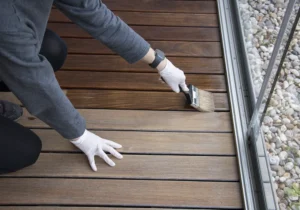
Light scratches or scuffs can be repaired through sanding, refinishing, or touch-up kits.
2. Water damage that didn’t penetrate deeply
If your floor has surface-level water damage but no swelling or warping, repairs can restore it.
3. Loose or lifting edges
Loose boards or tiles can often be secured or glued back into place.
Signs it’s time to replace your flooring
1. Deep scratches, gouges, or cracks
If damage is serious and unfixable, it’s time to replace the flooring.
2. Extensive water damage
When water damage causes warping or serious damage, replacement is often necessary.
3. Faded or stained areas
Severely faded or stained floors may be beyond repair.
4. Structural problems
If the subfloor is damaged, replacing the entire flooring is often required.
Repair vs. replace
Repairing:
- Cost-effective and quick.
- Restores original flooring without a full replacement.
- Ideal for minor damage or wear.
Replacing:
- Long-term solution for extensive damage.
- Upgrades the style and adds value to your home.
- Offers better durability with new materials.
Conclusion
Deciding whether to repair or replace your floors doesn’t have to be stressful. For expert advice and quality service, contact VIP Flooring Pro today. We’ll help you choose the best option for your home and budget. Whether you need a simple fix or a full replacement, our experienced team has over 10 years of knowledge to assist you.